
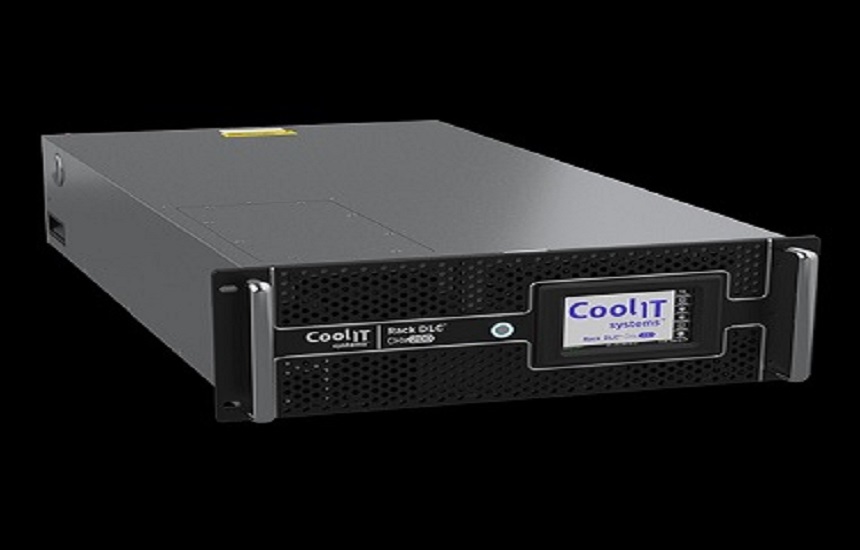
Modern industries are pushing technological boundaries at an unprecedented pace. From high-performance computing and data centres to electric vehicles and advanced manufacturing systems, thermal management has become a critical design challenge. As power densities increase and components shrink, traditional air-based cooling methods are no longer sufficient. Among these, a liquid cooling loop integrated with a cold plate system stands out as one of the most efficient and scalable approaches.
Table of Contents
- Understanding the Role of Liquid Cooling
- What Is a Cold Plate Loop?
- Key Benefits of Cold Plate Loop Systems
- The Importance of Coldplate Loop Assembly
- Customization for Modern Applications
- Materials Matter: Copper Cold Plate Design
- Applications of Cold Plate Loop Systems
- The Role of Innovation in Cooling Technology
- Environmental and Economic Impact
- Designing for the Future
- Conclusion
Understanding the Role of Liquid Cooling
What Is a Liquid Cooling Loop?
Industries are increasingly adopting liquid cooling due to its ability to maintain precise temperature control and reduce thermal stress on components. A liquid cooling loop is a closed system that circulates coolant to absorb and transfer heat away from critical components. Unlike air cooling, which relies on ambient airflow, liquid cooling uses a thermally conductive fluid that can carry significantly more heat. This approach is especially useful in environments where heat loads are intense and continuous.
Why Air Cooling Falls Short?
Air-cooling systems face limitations such as uneven heat distribution, noise, and space constraints. As electronic systems become more compact and powerful, the inefficiency of air cooling becomes more apparent. Liquid-based systems address these limitations by delivering consistent and targeted cooling.
What Is a Cold Plate Loop?
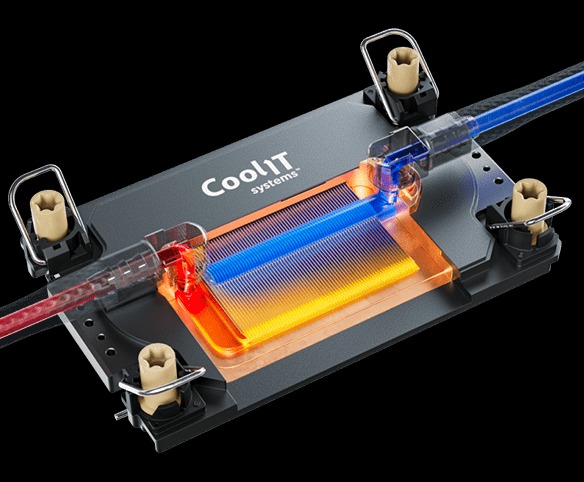
A cold plate loop is a specialized configuration within a liquid cooling system. It uses a metal plate often made from high-conductivity materials to directly absorb heat from components. The coolant flows through channels within the plate, efficiently carrying heat away.
How It Works
- Internal channels allow coolant to flow and absorb the heat
- The heated coolant moves through the loop to a heat exchanger
- The cycle repeats continuously for stable thermal management
This direct-contact cooling method ensures minimal thermal resistance and maximum efficiency.
Key Benefits of Cold Plate Loop Systems
Superior Heat Transfer Efficiency
Cold plate systems excel in removing heat at the source. By maintaining direct contact with components, they eliminate the inefficiencies associated with air gaps. This results in faster and more reliable cooling.
Compact and Scalable Design
Modern systems demand compact solutions without compromising performance. Advanced cold plate loops can be tailored to fit tight spaces while maintaining high efficiency. This scalability makes them ideal for evolving technologies.
Reduced Energy Consumption
Liquid cooling systems require less energy compared to high-powered fans used in air cooling. This leads to lower operational costs and improved sustainability—an important factor for industries focusing on energy efficiency.
The Importance of Coldplate Loop Assembly
This results in improved thermal efficiency and consistent system reliability over extended operational periods. A well-designed coldplate loop assembly plays a crucial role in system performance. It ensures seamless integration between components, coolant pathways, and heat exchangers.
Precision Engineering Matters
Each assembly must be carefully engineered to avoid leaks, pressure drops, and inefficiencies. Proper design ensures optimal coolant flow and uniform heat distribution.
Reliability and Longevity
A robust assembly reduces the risk of system failures. It also extends the lifespan of electronic components by maintaining stable operating temperatures.
Customization for Modern Applications
Why Custom Solutions Are Necessary?
No two cooling challenges are identical. Different industries require tailored solutions based on heat load, space constraints, and environmental conditions. This is where custom design services become essential. They enable engineers to create solutions that align with specific operational needs.
Industry-Specific Adaptations
- Data centres require high-density cooling
- Electric vehicles need lightweight and efficient designs
- Medical equipment demands precision and reliability
Custom solutions ensure that each application receives optimal thermal management.
Materials Matter: Copper Cold Plate Design
Material selection is a critical factor in the effectiveness of a cooling system. Among the available options, the high-performance copper cold plate design is widely preferred for its excellent thermal conductivity.
Advantages of Copper
- High heat transfer capability
- Durability and corrosion resistance
- Consistent performance under varying conditions
Copper-based designs are particularly effective in high-performance environments where rapid heat dissipation is essential.
Applications of Cold Plate Loop Systems
Data Centres and High-Performance Computing
With increasing computational demands, data centres generate enormous amounts of heat. It provides efficient cooling without increasing energy consumption.
Electric Vehicles and Battery Systems
Thermal management is critical for battery performance and safety. Cold plate loops help maintain optimal temperatures, improving efficiency and lifespan.
Industrial Equipment
Manufacturing systems and industrial equipment often operate under extreme conditions. Advanced cooling ensures consistent performance and reduces downtime.
The Role of Innovation in Cooling Technology
Companies such as CoolIT Systems have been instrumental in advancing liquid cooling technologies. Their expertise in designing efficient thermal solutions has contributed to the widespread adoption of systems across industries. With the support of custom cold plate design services, solutions are becoming more precise and adaptable to specific industry needs. As technology evolves, the demand for advanced cooling solutions will only grow.
Why Round Rock Homeowners Are Switching to Metal Roof Replacement
Upgrade Your Vehicle with Ceramic Pro Window Tint for Lasting Performance
Solve Your Woes with Top Hot Water Repair Services in Edmondson Park
Environmental and Economic Impact
Energy Efficiency
Liquid cooling systems consume less power compared to traditional methods. This contributes to lower carbon emissions and aligns with Canada’s sustainability goals.
Cost Savings
Reduced energy consumption and improved system reliability lead to significant cost savings over time. Businesses benefit from lower maintenance and operational expenses.
Designing for the Future
Integration with Emerging Technologies
As industries adopt artificial intelligence, automation, and advanced electronics, the need for efficient cooling becomes even more critical. It provides the flexibility needed to support these advancements.
Adaptability and Scalability
Future systems will require adaptable solutions that can evolve with changing demands. Cold plate loops offer the scalability needed to accommodate growth and innovation.
Frequently Asked Questions
What makes liquid cooling more efficient than air cooling?
Liquid cooling transfers heat more effectively due to the higher thermal capacity of fluids. It allows for direct heat removal from components, resulting in better temperature control and reduced energy usage.
How does a cold plate loop improve system performance?
A cold plate loop provides direct contact cooling, minimizing thermal resistance. This ensures faster heat dissipation, leading to improved efficiency and longer component lifespan, especially for industries operating in Calgary.
When should custom cold plate design services be considered?
Custom solutions are ideal when standard cooling systems cannot meet specific requirements. They are commonly used in high-performance or space-constrained applications.
Why is copper preferred in cold plate design?
Copper offers excellent thermal conductivity, making it highly effective for heat transfer. It also provides durability and consistent performance under demanding conditions.
Can cold plate systems be scaled for different applications?
Yes, cold systems are highly scalable. They can be designed to meet the needs of various industries, from small electronic devices to large industrial systems.
Conclusion
Cold plate loop systems have become a vital part of modern thermal management, offering unmatched efficiency and reliability for high-performance applications. By enabling precise heat removal and supporting compact system designs, they address the growing demands of advanced technologies. As innovation continues to evolve, investing in advanced cooling strategies is no longer optional but essential for future-ready systems. To explore tailored solutions and expert support, you can locate us easily.